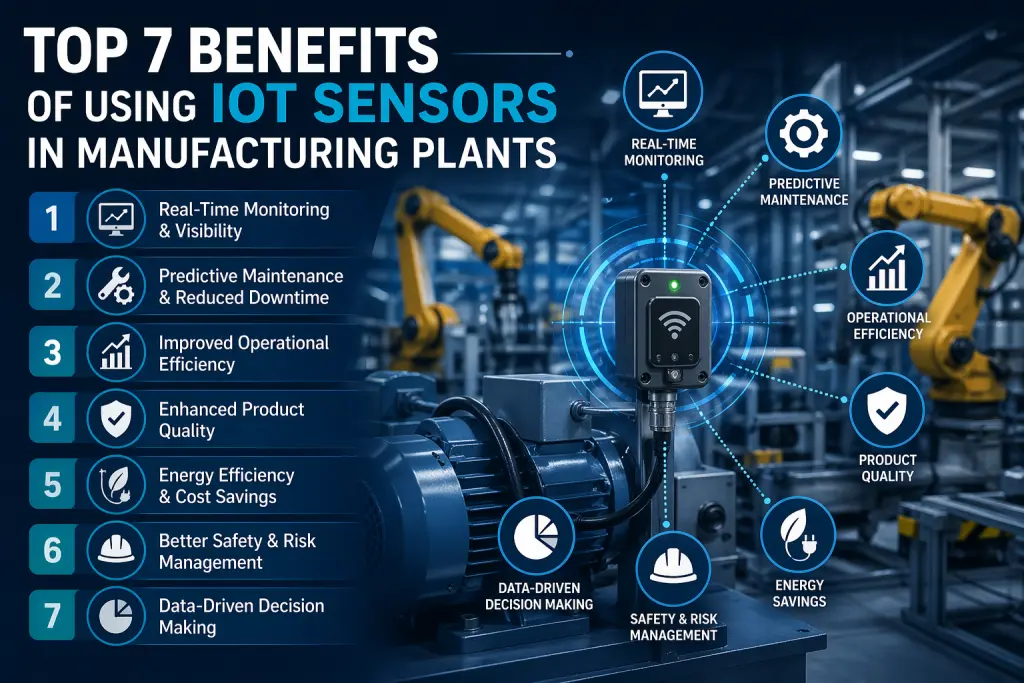
In today's rapidly evolving manufacturing landscape, the integration of IoT sensors has revolutionized traditional factory operations. These sensors enable real-time monitoring and data analysis, providing valuable insights to optimize production processes. From enhancing operational efficiency to ensuring workplace safety, IoT sensors have become indispensable in modern manufacturing plants.
Top 7 Benefits of Using IoT Sensors in Manufacturing Plants
Improved Process Efficiency
One of the primary benefits of incorporating IoT sensors in manufacturing plants is the ability to achieve improved process efficiency. By enabling real-time monitoring of equipment and production lines, managers can identify bottlenecks and inefficiencies promptly. Data analysis from these sensors allows for the optimization of workflows, resulting in streamlined operations and enhanced productivity.
Additionally, IoT sensors facilitate predictive maintenance, reducing downtime and enhancing overall equipment effectiveness. By preemptively addressing potential issues, manufacturers can avoid costly disruptions and ensure continuous operations.
Cost Savings
IoT sensors play a crucial role in driving cost savings for manufacturing plants. Through predictive maintenance capabilities, these sensors help in reducing operational expenses associated with unscheduled downtimes and emergency repairs. By proactively identifying maintenance needs and equipment failures, companies can streamline their maintenance schedules and minimize overall costs.
Furthermore, IoT sensors contribute to waste reduction by optimizing resource utilization and preventing overproduction. By implementing data-driven insights, manufacturers can make informed decisions to minimize waste and improve sustainability practices.
Enhanced Safety Measures
The implementation of IoT sensors enhances safety measures within manufacturing plants by providing early detection of hazards and potential risks. These sensors can monitor environmental conditions, machine operation, and employee activities to identify safety issues in real-time. By alerting personnel about potential dangers, IoT sensors help prevent accidents and create a safer work environment.
Moreover, IoT sensors enable proactive safety measures through automated alerts and compliance monitoring. By continuously monitoring safety protocols and equipment performance, manufacturers can ensure regulatory compliance and mitigate risks effectively.
Streamlined Inventory Management
IoT sensors revolutionize inventory management in manufacturing plants by enabling automated tracking and replenishment of materials and products. These sensors provide real-time visibility into inventory levels, allowing for accurate demand forecasting and efficient inventory control. By automating the inventory replenishment process, manufacturers can reduce stockouts, minimize excess inventory, and optimize supply chain operations.
Furthermore, IoT sensors facilitate inventory accuracy and traceability, enabling seamless inventory audits and efficient order fulfillment. With enhanced visibility into inventory movements, manufacturers can improve operational efficiency and meet customer demands effectively.
Quality Control Enhancement
IoT sensors play a vital role in enhancing quality control processes within manufacturing plants. By monitoring production parameters and product quality in real-time, these sensors can identify defects and inconsistencies along the production line. Through continuous data collection and analysis, manufacturers can detect deviations from quality standards and take immediate corrective actions.
Additionally, IoT sensors enable predictive quality control by identifying potential quality issues before they escalate into larger problems. By implementing proactive quality monitoring systems, manufacturers can uphold product quality, enhance customer satisfaction, and drive continuous improvement initiatives.
Increased Productivity
By optimizing workflow processes and resource utilization, IoT sensors contribute to increased productivity levels in manufacturing plants. These sensors provide valuable insights into operational performance, equipment efficiency, and workforce productivity. By analyzing this data, manufacturers can identify operational bottlenecks and implement strategies to enhance overall productivity.
Moreover, IoT sensors enable real-time communication and collaboration among team members, fostering a culture of efficiency and innovation. By empowering employees with actionable insights and performance metrics, manufacturers can boost workforce productivity and achieve higher output levels.
Energy Conservation
IoT sensors facilitate energy conservation practices in manufacturing plants by monitoring energy consumption patterns and implementing energy-efficient strategies. These sensors track energy usage across production facilities, identify energy-intensive processes, and optimize energy utilization. By implementing energy-saving measures based on sensor data, manufacturers can reduce their carbon footprint and lower energy costs.
Furthermore, IoT sensors enable predictive energy management by forecasting energy demands and optimizing energy distribution. By leveraging real-time energy data analytics, manufacturers can make informed decisions to minimize energy waste, improve operational efficiency, and prioritize sustainable energy practices.
In conclusion, the integration of IoT sensors in manufacturing plants offers a myriad of benefits, ranging from improved process efficiency and cost savings to enhanced safety measures and quality control. By harnessing the power of IoT technology, manufacturers can drive operational excellence, boost productivity, and achieve sustainable growth in today's competitive market landscape.
How do IoT sensors improve inventory management?
IoT sensors enable automated tracking and real-time visibility into inventory levels, facilitating accurate demand forecasting and efficient inventory control. By automating replenishment processes, manufacturers can minimize stockouts and optimize supply chain operations.
What role do IoT sensors play in enhancing safety measures?
IoT sensors provide early detection of hazards and potential risks within manufacturing plants, helping prevent accidents through real-time monitoring and automated alerts. By ensuring compliance with safety protocols and regulatory standards, these sensors contribute to creating