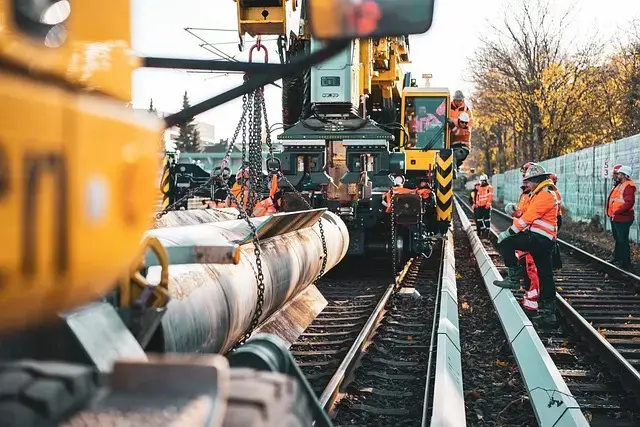
Sustainable Practices in Heavy Industry

In today's rapidly advancing world, sustainable practices in heavy industry have become a top priority. Industries are increasingly focusing on recycling, energy efficiency, and waste reduction to minimize their environmental impact. Recycling initiatives help reduce the extraction of raw materials, saving energy and reducing greenhouse gas emissions.
Energy efficiency measures, such as optimizing manufacturing processes and utilizing renewable energy sources, not only benefit the environment but also lead to cost savings for industrial operations. Waste reduction strategies, including proper waste management and recycling programs, contribute to a cleaner and more sustainable industrial ecosystem.
By adopting these sustainable practices, heavy industries can improve their overall environmental performance, comply with regulations, and enhance their reputation as responsible corporate citizens.
Automation and Robotics in Manufacturing

The integration of automation and robotics in the manufacturing sector has revolutionized production processes, leading to increased productivity and enhanced safety measures for workers. Automated systems streamline manufacturing operations, reduce human error, and accelerate production cycles, ultimately driving operational efficiency.
Robotics technologies, such as collaborative robots (cobots) and autonomous machines, play a crucial role in performing repetitive tasks with precision and consistency. These advancements not only improve productivity but also ensure consistent product quality and worker safety on the factory floor.
Overall, the deployment of automation and robotics in heavy industry not only boosts operational efficiency but also transforms the way manufacturing processes are carried out, paving the way for a more advanced and competitive industrial landscape.
Integration of Internet of Things (IoT) in Heavy Machinery

The integration of the Internet of Things (IoT) in heavy machinery has unlocked a new realm of possibilities for maintenance, monitoring, and performance optimization in industrial settings. IoT-enabled devices and sensors collect real-time data, providing insights into equipment health, usage patterns, and operational efficiency.
By leveraging IoT technologies, heavy industries can implement predictive maintenance strategies, identifying potential issues before they escalate and optimizing maintenance schedules to minimize downtime. Real-time monitoring allows for remote equipment management, early fault detection, and performance analytics, enabling proactive decision-making and operational efficiencies.
Overall, the integration of IoT in heavy machinery offers numerous benefits, including improved equipment reliability, enhanced safety protocols, and optimized performance, positioning heavy industries for greater competitiveness and sustainability.
The future of heavy industry is evolving rapidly with key innovations such as sustainable practices, automation and robotics, and IoT integration driving growth and transformation. By embracing these technological advancements and focusing on sustainability, heavy industries can achieve operational excellence, improve efficiency, and contribute to a greener and more sustainable future.
How do sustainable practices benefit heavy industries?
Sustainable practices in heavy industries help minimize environmental impact, reduce operational costs, and enhance corporate responsibility.
What are the advantages of integrating automation and robotics in manufacturing?
Automation and robotics increase productivity, improve safety standards, streamline operations, and ensure consistent product quality.