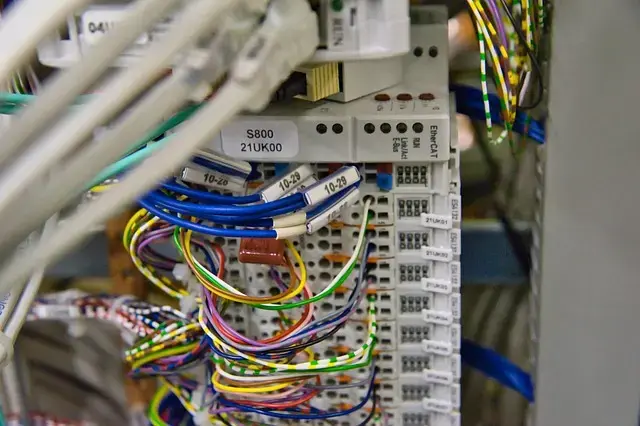
Industrial automation, particularly in the context of smart factories, has revolutionized the manufacturing industry by leveraging advanced technologies to streamline operations and enhance efficiency. This article dives into the world of industrial automation, exploring the benefits it offers, the role of Internet of Things (IoT) in smart factories, and the implementation of robotics in manufacturing processes.
Benefits of Automation
Automation in manufacturing brings a myriad of benefits, including increased productivity, reduced errors, and optimized processes. By automating repetitive tasks and utilizing robotic systems, companies can achieve higher output levels while ensuring consistent quality standards. This leads to cost savings, improved production speed, and enhanced competitiveness in the market.
Furthermore, automation minimizes the risk of human error, enhancing overall product quality and reliability. With seamless integration of automated systems, manufacturers can achieve precision in their operations, leading to better outcomes and customer satisfaction. Overall, the adoption of automation technologies results in a more efficient and sustainable manufacturing ecosystem.
In addition to operational benefits, automation also enhances workplace safety by replacing humans in hazardous environments or tasks. By assigning risky operations to robots, companies can significantly reduce workplace accidents and ensure a safer working environment for employees.
Role of Internet of Things (IoT) in Smart Factories
The Internet of Things (IoT) plays a pivotal role in the evolution of smart factories by enabling data integration, real-time monitoring, and predictive maintenance. Through interconnected devices and sensors, IoT facilitates the collection and analysis of vast amounts of manufacturing data, providing valuable insights for decision-making.
By leveraging IoT technology, smart factories can optimize production processes, minimize downtime through predictive maintenance, and enhance overall operational efficiency. The ability to monitor equipment performance remotely and in real-time empowers manufacturers to proactively address issues before they escalate, ensuring continuous operations and maximizing uptime.
Moreover, IoT enables seamless communication between various components within a manufacturing setup, fostering a connected ecosystem that facilitates agile decision-making and adaptive workflows. The convergence of IoT with other technologies like Artificial Intelligence (AI) further enhances the capability of smart factories to adapt to changing market demands and technological advancements.
Implementation of Robotics in Manufacturing
The implementation of robotics in manufacturing is instrumental in driving automation across industries, leading to automated assembly lines, precision operations, and innovative human-robot collaboration. Robotic systems are utilized for tasks that require high precision, speed, and repeatability, such as assembly, welding, painting, and material handling.
Automated assembly lines, powered by robotic arms and intelligent machines, enable continuous and efficient production without human intervention. These robotic systems work in tandem with human operators, creating a synergistic environment where each contributes their unique strengths to the manufacturing process.
Furthermore, advancements in robotics technology have led to the development of collaborative robots, known as cobots, which can safely work alongside humans in shared workspaces. This human-robot collaboration enhances productivity, flexibility, and ergonomics in manufacturing operations, fostering a harmonious balance between automation and human labor.
Industrial automation, driven by technologies like IoT and robotics, has transformed traditional manufacturing paradigms, ushering in an era of increased efficiency, productivity, and innovation. Smart factories leverage automation to optimize processes, reduce errors, and pave the way for a more sustainable and competitive manufacturing landscape.
How does automation impact the workforce in manufacturing?
Automation in manufacturing reshapes the workforce by augmenting human capabilities and reallocating tasks. While certain manual jobs may be automated, new roles emerge to oversee and manage automated systems, creating opportunities for upskilling and career growth.
What are the challenges associated with implementing IoT in manufacturing?
Some challenges in implementing IoT in manufacturing include data security concerns, interoperability issues among different IoT devices, and the need for robust infrastructure to support seamless connectivity and data exchange.
How do collaborative robots enhance operational efficiency in manufacturing?
Collaborative robots, or cobots, enhance operational efficiency by working alongside human operators, assisting in repetitive tasks, and ensuring a safe and productive working environment. Their flexibility and adaptability make them valuable assets in optimizing manufacturing processes.